Last Updated: November 21, 2026
Quick Summary
Classic tropes in modern western thrillers still work because they compress conflict into a story engine readers feel within a page. The lone gunslinger, corrupt sheriff and revenge ride give suspense without a wasted scene, and the best contemporary writers use them deliberately rather than as nostalgia.
- The gunslinger works because he is a question, not an answer.
- Frontier justice gives you a closed system of power where thrillers thrive.
- The revenge plot’s pleasure is in the execution, investigation and slow uncovering.
- Lesser books make the corrupt town cartoonish; the best give the villain a plausible argument.
- Read the free sample of chapter one before spending anything on a book.
Table of Contents
- Why the Old Western Tropes Still Drive Modern Thrillers
- The Lone Gunslinger and the Morally Ambiguous Hero
- Frontier Justice, Corrupt Towns, and the Revenge Plot
- Historical Thriller Book Recommendations Built on Western Bones
- Historical Thriller Authors Who Rewrite the Frontier Code
- Historical Thriller Series Worth Committing To
- How to Pick Your Next Western Thriller Without Wasting Money
- Frequently Asked Questions
Why the Old Western Tropes Still Drive Modern Thrillers
The lone rider. The corrupt sheriff. The revenge ride into a town that deserves what’s coming. These classic tropes in modern western thrillers are not nostalgia acts. They are load-bearing walls, and the best contemporary writers know it.
The tropes survive because they compress conflict into something a reader feels within a page. A man with a gun and a code is a complete story engine.
Below, we break down why these devices still work, which historical thriller book recommendations use them best, and how to choose your next read without wasting money on a series that fizzles out.
The Lone Gunslinger and the Morally Ambiguous Hero
The gunslinger works because he is a question, not an answer.
Morally ambiguous heroes carry modern western thrillers because the genre never required purity. A protagonist who does the right thing for the wrong reason is more interesting than a saint.
That ambiguity is the engine. If you want more books built around that character type, browse thriller books with morally ambiguous characters.
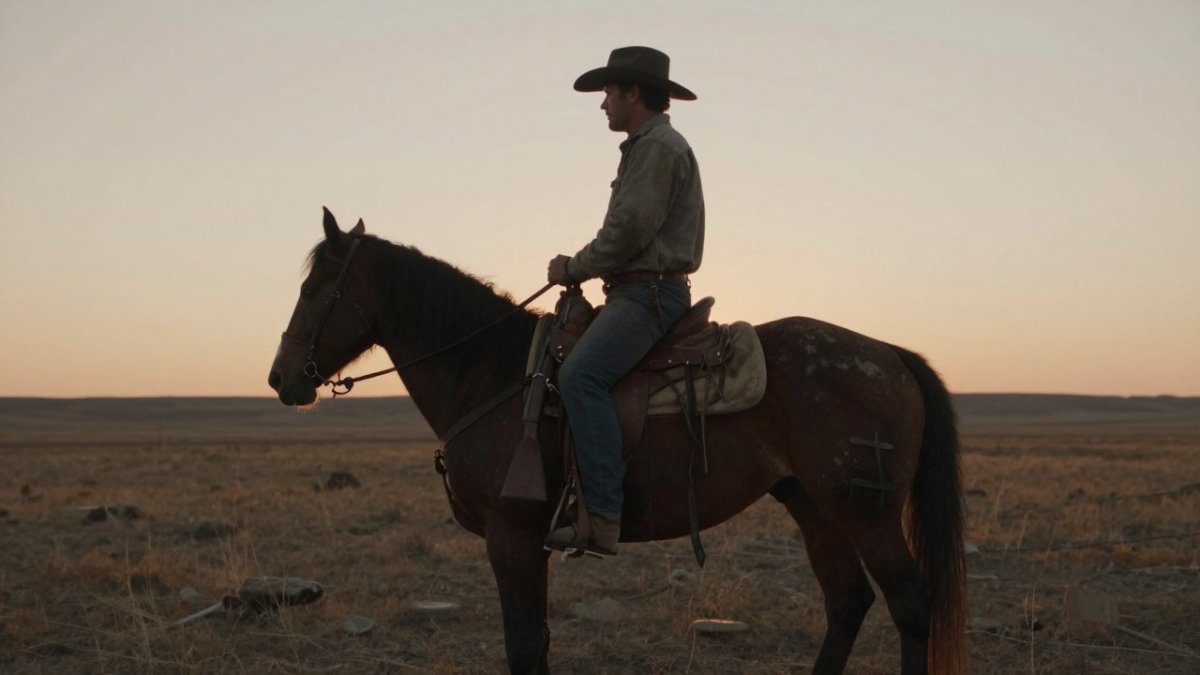
Frontier Justice, Corrupt Towns, and the Revenge Plot
Frontier justice remains the genre’s most reliable suspense machine.
The revenge plot is the natural companion. Someone takes everything from the protagonist, and the reader knows exactly what comes next. The pleasure is not in the surprise.
A common mistake in lesser books is making the corrupt town cartoonish. The best versions give the villain a plausible argument. That’s when the danger feels real and the twists land.
If you like these tropes but want fresh options beyond the well-known titles, see our list of alternatives to popular Western thrillers.
Historical Thriller Book Recommendations Built on Western Bones
The strongest historical thriller book recommendations borrow the western’s skeleton and dress it in a different era. The frontier becomes a wartime convoy, a mining camp, or a contested border. The gunslinger becomes a scout, a courier, or a woman with a rifle and a debt to settle.
Ancient and classical settings
- Steven Saylor, Roman Blood (standalone, first in the Roma Sub Rosa series). A investigator in the late Roman Republic takes a murder case tied to a famous orator. Tone: procedural and wry. Best for readers who want investigation and political intrigue rather than gunplay. The western bones show up as a powerful patron with his own agenda.
- Lindsey Davis, The Silver Pigs (first in the Marcus Didius Falco series). An informer chases a conspiracy through Rome and a mining district. Tone: brisk and sardonic. Suits readers who like a morally flexible hero and a corrupt-system plot.
Victorian and gaslight era
- Caleb Carr, The Alienist (standalone). A psychologist and a newspaper reporter hunt a killer in 1890s New York. Tone: dark and forensic. Best for murder-mystery readers who want period detail and psychological tension. Content note: graphic crime scenes.
- Anne Perry, The Cater Street Hangman (first in the Charlotte and Thomas Pitt series). A police inspector and a sharp-eyed woman investigate killings in a respectable household. Tone: restrained and character-driven. Suits readers who prefer social tension over action.
The World Wars
- Joseph Kanon, The Good German (standalone). A reporter returns to occupied Berlin and is pulled into a murder that implicates the powers rebuilding the city. Tone: bleak and conspiratorial. Best for readers who want espionage and moral compromise.
- Alan Furst, Night Soldiers (standalone). A young man is drawn into intelligence work across prewar Europe. Tone: atmospheric and patient. Suits readers who like tradecraft and slow-burn suspense over set pieces.
The Cold War
- John le Carré, Tinker Tailor Soldier Spy (standalone within the George Smiley books). A retired officer is asked to find a mole at the top of an intelligence service. Tone: cerebral and dry. Best for readers who want deception and double agents rather than chases.
- Martin Cruz Smith, Gorky Park (first in the Arkady Renko series). A Moscow investigator works a triple murder while navigating a system that would rather the case disappear. Tone: grim and procedural. Suits readers who like a lone investigator against a corrupt town, just relocated to a cold-war capital.
Artifact hunts and expedition-era adventure
- Elizabeth Peters, Crocodile on the Sandbank (first in the Amelia Peabody series). A Victorian woman and an archaeologist confront a menace at an Egyptian dig. Tone: witty and adventurous. Best for readers who want artifact-hunt energy with a light touch.
- James Rollins, Sandstorm (standalone within the Sigma Force books). A team races to secure a lost discovery in a hostile desert. Tone: fast and cinematic. Suits readers who want action pacing and a historical mystery at the center.
How to use this list
Read the first chapter sample before committing. If the opening scene establishes the protagonist’s code and a threat to it, the book will likely deliver. Check whether the title is a standalone or a series entry, and note the content warnings where a book turns graphic. If you like these tropes but want fresh options beyond the well-known titles, see our list of alternatives to popular Western thrillers.
For a curated starting point, our gritty Western historical thrillers picks cover settings from frontier towns to wartime expeditions.
Historical Thriller Authors Who Rewrite the Frontier Code
The authors worth following are the ones who keep the tropes but change the rules. A female protagonist taking the gunslinger’s role changes what the code means.
What most guides miss is that the frontier code was always about restraint. The classic hero doesn’t shoot first. He waits, and the waiting is the suspense.
Here is how a few widely read authors rewrite the code, with a spoiler-free note on what each does with history and who the result suits.
- Cormac McCarthy, No Country for Old Men (standalone). A hunter finds a case of cash and a killer follows. McCarthy keeps the western’s pursuit structure but strips out the heroic frame; the lawman is old and the code is losing. Tone: spare and violent. Best for readers who want moral ambiguity without comfort. Content note: graphic violence.
- Patrick deWitt, The Sisters Brothers (standalone). Two brothers ride to settle a score and the journey keeps complicating the job. deWitt uses the western form for dark comedy and brotherly tension. Tone: deadpan and offbeat. Suits readers who want the tropes with a wry voice.
- Charles Portis, True Grit (standalone). A girl hires a marshal to avenge her father. The narrator’s voice is the engine, and the frontier code is tested by a child who takes it literally. Tone: plainspoken and funny. Best for readers who want revenge structure with heart.
- Philipp Meyer, The Son (standalone). A family saga spans generations of a Texas ranching empire, with the frontier as an origin story that curdles. Meyer grounds the book in documented historical pressures, land, cattle, and dispossession, while fictionalizing the family. Tone: expansive and brutal. Suits readers who want historical context with their suspense. Content note: violence and depictions of racial conflict.
- Ron Hansen, The Assassination of Jesse James by the Coward Robert Ford (standalone). Hansen takes a documented outlaw and turns the betrayal into a study of celebrity and loyalty. The historical record is the frame; the interior lives are the fiction. Tone: literary and elegiac. Best for readers who want a western with a documented spine.
A common pattern among these writers is that they distinguish documented context from invented drama.
For authors pushing that code hardest, see our gritty frontier thrillers list.
Historical Thriller Series Worth Committing To
A series is a bigger bet than a standalone. The good news is that the best historical thriller series reward commitment with deepening characters and escalating stakes across multiple books.
Our own historical westerns feature gritty frontier settings and morally ambiguous characters. Discounted complete sets are available in ebook, audiobook, and paperback formats, and current pricing is listed on the Jeffrey Poston Books website.
Before you start any series, check three things: whether the books stand alone, whether the narrator is professional on the audiobook, and whether the tone matches what you want. If you’re deciding between options, our guide to choosing a thriller series walks through the trade-offs.
How to Pick Your Next Western Thriller Without Wasting Money
Picking well comes down to matching the book to your reading habits, not to the loudest cover. Here is a checklist we’d use before spending anything:
-
Read the free sample of chapter one
-
Confirm whether the book is a standalone or part of a series
-
Check the tone: gritty and dark, or action with a hopeful edge
-
Listen to an audiobook sample to judge the narration
-
Check reader ratings and bookseller recommendations for consistency
-
Confirm the series actually concludes
Watch out: the biggest waste is buying book one of a series, loving it, then paying full price for the rest one at a time.
Before spending anything, run through the same checklist we would use.
| Check | What to do |
|---|---|
| Sample | Read the free sample of chapter one |
| Format | Confirm whether the book is a standalone or part of a series |
| Tone | Check the tone: gritty and dark, or action with a hopeful edge |
| Audiobook | Listen to an audiobook sample to judge the narration |
| Ratings | Check reader ratings and bookseller recommendations for consistency |
| Series ending | Confirm the series actually concludes |
The tropes only work when the writer commits to them fully. If you want frontier thrillers with morally ambiguous characters and a code that actually means something, start with our historical westerns. Jeffrey Poston Books offers multi-book sagas with discounted complete sets in ebook, audiobook, and paperback formats. Get started with Jeffrey Poston Books and find your next page-turner.
Frequently Asked Questions
What are the classic tropes of a Western story?
The genre runs on a recognizable set: the lone gunslinger with a buried past, the corrupt sheriff or land baron, the revenge ride, the dusty town that needs saving, the standoff at high noon, and the moral code that separates a hero from an outlaw. Modern western thrillers keep these pieces but push them into darker territory, giving villains real motives and heroes real flaws. The tropes survive because they map cleanly onto suspense: a closed community, a threat inside it, and one person willing to act.
How do modern western thrillers update classic Western themes?
Writers now blend the frontier framework with investigation plots, psychological pressure, and political stakes. Instead of a simple duel, you get a conspiracy that reaches back East. Instead of a spotless hero, you get a protagonist whose choices cost something. Many authors also widen the cast beyond the white male drifter, adding female leads, Native perspectives, and immigrant communities. The setting stays period-accurate while the emotional register moves closer to contemporary thriller pacing.
What makes a historical thriller different from a Western?
A Western is defined by setting and mythology: the American frontier, roughly the mid-to-late 1800s, with its own visual and moral vocabulary. A historical thriller is defined by plot engine: a mystery, conspiracy, or race against time set in any past era. The overlap is large. A book set in 1870s Colorado with a murder investigation is both. When you shop for historical thriller book recommendations, check whether the appeal is atmosphere (Western) or puzzle and pace (thriller) and weight your choice accordingly.
Which Western tropes work best in a thriller novel?
Three carry the most tension. The corrupt town creates a closed circle of suspects where nobody can be trusted. The revenge plot supplies motive and forward momentum without heavy setup. The manhunt, or its inverse, the siege, compresses time and forces confrontations. Tropes that slow a thriller down, like the long cattle drive or the extended poker game, work better as texture than as the spine. If you want page-turning momentum, look for books where the hero has a deadline, not just a destination.
