Table of Contents
- What Makes a Morally Ambiguous Character in Thriller Fiction
- Best Psychological Thrillers With Antiheroes
- Noir Crime Fiction and the Antihero Tradition
- Modern Psychological Thrillers: When Protagonists Become Villains
- How to Write a Morally Ambiguous Character
- Why Readers Root for Morally Ambiguous Characters
- Conclusion
- Frequently Asked Questions
Last Updated: September 19, 2026

What Makes a Morally Ambiguous Character in Thriller Fiction
A morally ambiguous character in thriller fiction is someone whose actions, motivations, and ethics exist in shades of gray rather than clear right and wrong. These characters operate in moral gray zones where their methods may be questionable even if their goals seem justified, or vice versa. Readers are increasingly drawn to protagonists and antagonists who challenge traditional notions of heroism, making morally ambiguous characters central to modern thriller storytelling (Teen Thrillers on the Rise).
What separates these characters from traditional heroes is their willingness to cross ethical lines. They might break the law to expose truth, manipulate others for survival, or pursue justice through morally corrupt means. The complexity lies not in whether they’re good or bad, but in understanding why they make the choices they do.
The appeal runs deeper than shock value. Morally ambiguous characters force readers to confront uncomfortable truths about human nature, that survival instincts override morality, that context shapes ethics, and that people are rarely all good or all bad. This psychological depth creates tension that pure good-versus-evil narratives cannot match.
Best Psychological Thrillers With Antiheroes
Quick Picks:
- Best Overall: Gone Girl by Gillian Flynn, masterclass in unreliable narrators and moral manipulation
- Best Legal Thriller: The Reversal by Michael Connelly, explores the gray zones of justice and defense
- Best Crime Fiction: Clockers by Richard Price, unflinching look at desperation and systemic failure
Gone Girl by Gillian Flynn
Gone Girl remains the definitive psychological thriller featuring morally ambiguous characters. Both protagonists, Nick and Amy, are manipulative, selfish, and willing to destroy others to protect themselves. Neither deserves sympathy, yet both command it at different moments in the narrative.
What makes this novel essential is its dual-perspective structure. The reader experiences Nick’s apparent victimhood and Amy’s calculated revenge simultaneously, creating moral confusion that mirrors real relationships. The twist doesn’t redeem either character; it deepens their moral complexity. Amy’s actions are inexcusable, yet her motivations, betrayal, abandonment, erasure, feel disturbingly human.
The novel’s cynicism about marriage, media, and identity struck a nerve with readers tired of conventional thriller formulas. It proved that audiences would embrace protagonists they actively disliked if the character development was sophisticated enough.
Why it matters: Gone Girl demonstrated that thriller readers crave psychological realism over heroic fantasy. The book’s influence on subsequent thrillers cannot be overstated, it opened the door for darker, more morally complex narratives.
The Reversal by Michael Connelly
Mickey Haller, the protagonist of The Reversal, operates in the moral gray zone of criminal defense. His job requires defending people he suspects are guilty, using legal loopholes and procedural technicalities to free them. This creates constant ethical tension, he’s doing his job, but is he serving justice or obstructing it?
The novel’s strength lies in how it explores the justice system’s inherent moral compromises. Haller isn’t a villain, but he’s not a traditional hero either. He’s pragmatic, ambitious, and willing to bend rules when the case demands it. His moral compass points toward winning, not toward abstract notions of right and wrong.
The legal procedural elements ground the moral ambiguity in realistic detail. Readers see how the system actually works, how evidence gets suppressed, how witnesses get discredited, how the guilty sometimes walk free. Haller’s methods are legally sound but ethically questionable, making him a compelling antihero.
Why it matters: The Reversal shows that moral ambiguity doesn’t require violence or criminality. Sometimes the most unsettling characters are those operating within legal systems while compromising ethical principles.
Dark Places by Gillian Flynn
Dark Places presents Libby Day, a protagonist shaped by trauma and desperation. Her family was murdered when she was a child. Years later, she’s broke and broken, willing to participate in a true-crime documentary despite knowing her testimony may have been false. She’s not heroic; she’s a survivor making morally questionable choices to survive.
What distinguishes this novel is its unflinching portrayal of poverty and desperation as moral corrosives. Libby’s choices aren’t made in a vacuum, they’re driven by material need and psychological damage. The narrative refuses to judge her while simultaneously showing the consequences of her actions.
The non-linear timeline structure forces readers to piece together what really happened, creating uncertainty about Libby’s reliability and culpability. By the novel’s end, you understand her, but you don’t absolve her. That tension defines the reading experience.
Why it matters: Dark Places proves that morally ambiguous characters don’t need likability to command reader investment. Sympathy and understanding can coexist with moral disapproval.
The Cry of the Owl by Patricia Highsmith
Patricia Highsmith’s The Cry of the Owl is a masterpiece of psychological suspense centered on obsession and moral detachment. Robert Forester becomes fixated on observing a woman from a distance, not threatening, but deeply invasive. His actions aren’t violent, but they’re profoundly wrong.
The novel’s genius lies in how it examines the banality of evil. Forester isn’t a monster; he’s an ordinary man with an unsettling compulsion. He rationalizes his behavior, minimizes its impact, and genuinely doesn’t understand why others find his actions disturbing. This psychological realism makes him far more unsettling than any cartoonish villain.
Highsmith’s prose creates a claustrophobic atmosphere where moral boundaries dissolve. The reader understands Forester’s perspective without endorsing it, a difficult balance that Highsmith executes with precision.
Why it matters: The Cry of the Owl influenced generations of psychological thriller writers.
Clockers by Richard Price
Clockers stands apart as a crime novel that refuses easy moral judgments. The narrative follows Strike, a low-level drug dealer, and Rocco Klein, a detective obsessed with solving a murder. Neither character is heroic; both are trapped by systems larger than themselves.
The most memorable psychological thrillers don’t feature heroes or villains, they feature people making impossible choices in impossible circumstances. Moral ambiguity emerges from understanding why characters act as they do, even when their actions are indefensible.
Noir Crime Fiction and the Antihero Tradition
Noir crime fiction established the template for morally ambiguous protagonists decades before modern psychological thrillers. The genre rejected the detective-as-hero archetype, replacing it with flawed, compromised investigators navigating corrupt systems.
Modern Psychological Thrillers: When Protagonists Become Villains
Contemporary psychological thrillers increasingly blur the line between protagonist and antagonist. The narrative perspective often shifts between characters whose moral standing is equally questionable, forcing readers to reconsider their allegiances.
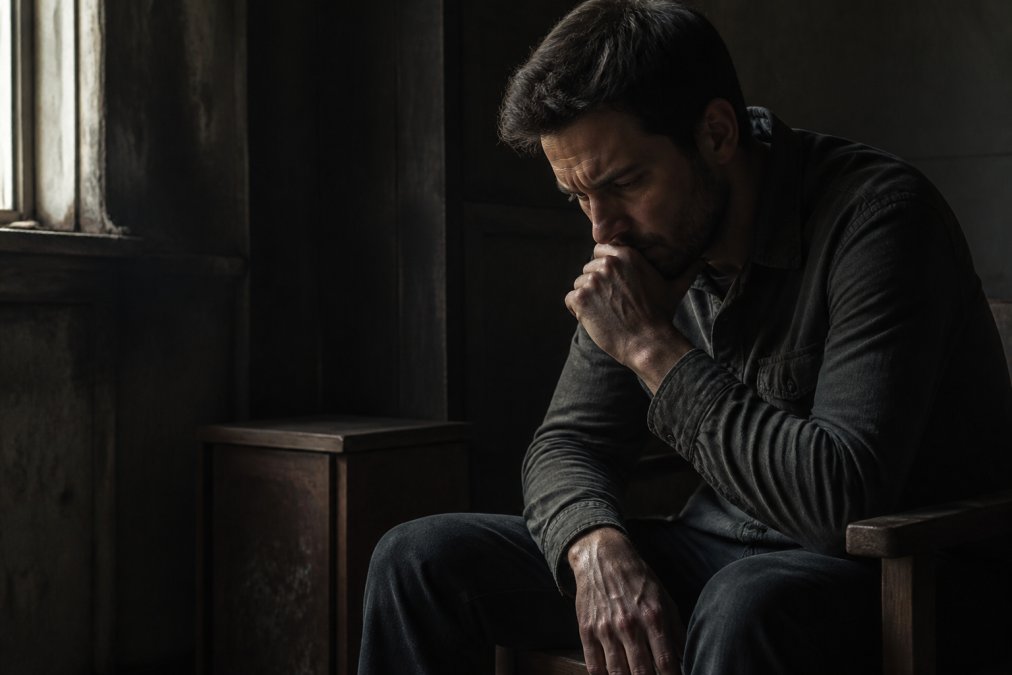
The most dangerous characters are those who believe they’re justified. Readers recognize this pattern in modern thrillers because it mirrors how real people rationalize harmful behavior.
How to Write a Morally Ambiguous Character
Creating a compelling morally ambiguous character requires moving beyond simple flaws. The character must have understandable motivations rooted in genuine conflict between competing values or needs.
Why Readers Root for Morally Ambiguous Characters
The psychology of rooting for villains reveals something important about readers themselves. We’re drawn to characters who acknowledge uncomfortable truths about human nature, that survival overrides morality, that context shapes ethics, and that people are driven by self-interest more often than principle.
The most memorable characters are those who force you to question your own moral judgments. If you find yourself defending a character’s indefensible actions, that character has succeeded in creating genuine psychological complexity.
Conclusion
Thriller books with morally ambiguous characters have become the dominant form of contemporary psychological fiction. They reflect our complicated world better than simple heroic narratives, forcing readers to confront uncomfortable truths about human nature, survival, and ethics. Whether through unreliable narrators like Amy in Gone Girl, compromised professionals like Mickey Haller in The Reversal, or desperate survivors like Libby in Dark Places, these characters create psychological depth that resonates with modern audiences.
Frequently Asked Questions
What defines a morally ambiguous character in thriller fiction?
A morally ambiguous character operates in shades of gray rather than clear right and wrong. These protagonists possess both sympathetic qualities and serious moral failings, making readers question whether to root for or against them. They may break laws for understandable reasons, manipulate others to survive, or pursue justice through unethical means. This internal conflict and ethical complexity drive psychological depth and tension throughout the narrative, distinguishing them from traditional heroes or straightforward villains.
Why are readers drawn to antiheroes in mystery and thriller novels?
Antiheroes feel authentic because they reflect human complexity. Readers connect with characters who struggle with genuine moral dilemmas rather than making obvious choices. The tension of not knowing whether a protagonist will redeem themselves or descend further creates suspense beyond plot mechanics. Antiheroes also challenge readers to examine their own values and empathy, asking difficult questions about justice, survival, and what actions can be forgiven. This psychological engagement makes stories more memorable and thought-provoking.
Are morally ambiguous characters the same as villains?
No. Villains typically lack remorse and pursue selfish goals without internal conflict. Morally ambiguous characters, by contrast, wrestle with their choices and often possess redeeming qualities or understandable motivations. A villain might harm others for power; a morally ambiguous character might break the law to protect someone they love, knowing it’s wrong. The key difference lies in internal struggle and the possibility of redemption. Readers may sympathize with or even root for an ambiguous character, whereas villains exist to oppose the protagonist.
What are some popular books about moral ambiguity in thrillers?
Gone Girl by Gillian Flynn features two unreliable narrators whose manipulation and deception blur victim and perpetrator roles. The Reversal by Michael Connelly explores a defense attorney navigating ethical gray areas within the justice system. Dark Places also by Flynn examines how desperation and trauma drive morally questionable decisions. The Cry of the Owl by Patricia Highsmith masterfully builds tension around obsession and detachment. Clockers by Richard Price presents street dealers and detectives whose moral compromises reflect systemic pressures. Each offers distinct perspectives on how circumstances, psychology, and human nature create moral complexity.
How do authors build tension using morally questionable characters?
Authors create tension by placing morally ambiguous characters in situations where every choice carries consequences. Unreliable narration keeps readers uncertain about truth and motivation, forcing active interpretation. Internal monologues reveal conflicting desires and justifications, making readers complicit in the character’s moral compromises. Authors also use escalating stakes where characters must choose between equally harmful options, intensifying psychological pressure. The unpredictability of an ambiguous protagonist heightens suspense because readers cannot rely on traditional hero behavior to predict outcomes. This uncertainty sustains engagement throughout the narrative.
The best thrillers don’t ask whether their characters are good or bad. They ask why we root for them anyway, and what that says about ourselves.