Quick Summary
The best used science fiction books for collectors are rare first editions, early paperback printings and signed copies, chosen by checking edition points on the copyright page, grading condition carefully, and buying from specialist sellers. Collectors should confirm the printing before paying a premium, since many listed firsts turn out to be later printings.
- Check the copyright page number line; a missing lowest digit usually signals a later printing.
- Condition matters greatly: a missing dust jacket on a modern first edition can dramatically reduce value.
- Early paperbacks can be collected by checking the printing line and the original lower cover price.
- Buy high-value copies from specialist dealers who provide written condition and authenticity descriptions.
- Use recent sold listings rather than asking prices to set realistic expectations for what copies actually sell for.
Table of Contents
- How We Selected These Science Fiction Books for Collectors
- Rare Science Fiction First Editions Worth Hunting
- How to Identify a First Edition Book Before You Pay
- Used Book Condition Grading for Collectors and How It Changes Value
- The Most Valuable Science Fiction Paperbacks in Collector Condition
- Collector Budgets, Realistic Price Ranges and Where to Buy
- Choosing Your Next Collectible Science Fiction Title
- Frequently Asked Questions
How We Selected These Science Fiction Books for Collectors
Last Updated: November 14, 2026
Collecting used science fiction books is harder than it looks, and most buyers learn that the expensive way. This guide is built around a simple idea: a book earns a place here only if a collector can realistically find it, identify it correctly and decide what it is worth before paying.
Science fiction has a long history of first printings, signed copies and limited runs, which is why the genre attracts so much collector interest. A first edition is generally the earliest printing of a book, and those copies usually command more than later reprints. Signed copies, meanwhile, depend on whether the author’s signature is verifiable and whether the seller can document it.
Our selection rested on four questions:
- Availability: Can a buyer find copies through specialist sellers or established marketplaces?
- Identifiability: Can a collector confirm the edition using printed points on the copyright page?
- Condition impact: Does the book’s physical state change its value substantially?
- Market evidence: Is there visible demand, supported by listings and dealer catalogs rather than guesswork?
We did not rank titles by sales hype or by how often a book appears in online lists. Where we could not verify edition points or price context from the research available, we say so rather than invent details.
Some readers arrive here wanting the best complete series to read rather than the most valuable copies. Our sister guide on complete book sets and series buying covers reading order and set value for that purpose.
Rare Science Fiction First Editions Worth Hunting
Rare science fiction first editions are the core of most serious collections. A first edition in fine condition, with its dust jacket intact, typically sits at the top of the market for a title.
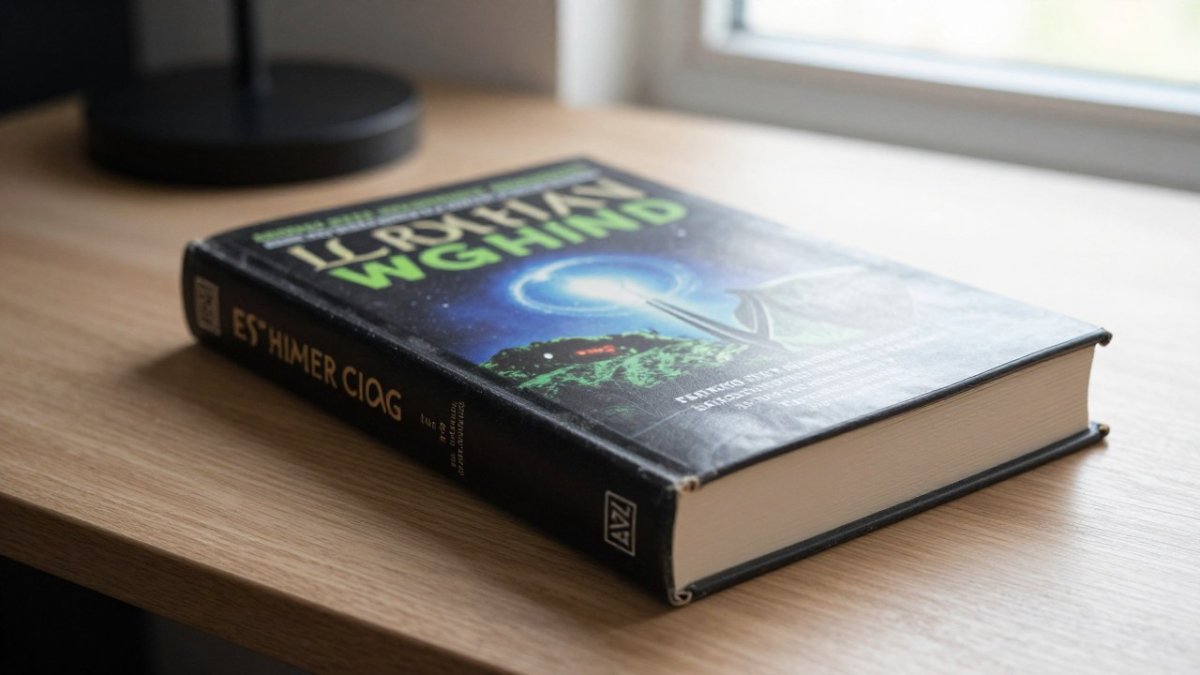
Specialist booksellers are the most reliable place to find them. Specialist rare-book dealers are a reliable place to look, and bookseller directories can help you find sellers who focus on the genre.
Two cautions apply. First, a listing that says “first edition” is only a claim until you check the printing points yourself. Second, a dust jacket can add substantial value, so a missing or restored jacket should be reflected in the price you pay.
A common mistake is buying on the strength of a title alone. Two copies of the same novel can differ sharply in value depending on printing, binding and jacket.
How to Identify a First Edition Book Before You Pay
Identifying a first edition usually means reading the copyright page, not the cover. Look for a number line, often a sequence of numbers such as “10 9 8 7 6 5 4 3 2 1,” where the lowest number present usually indicates the printing. Many publishers removed the lowest digit from later printings, so a missing “1” suggests a later impression.
Check the publisher’s stated first-printing date and the copyright year, then compare them with the edition details a reputable dealer provides. Note whether the listing describes a book club edition or a later paperback, since those can look similar at a glance.
Ask the seller for close-up photos of the copyright page, the title page and the jacket flap price. If a seller refuses or cannot provide them, treat that as a warning sign.
Used Book Condition Grading for Collectors and How It Changes Value
Condition is one of the most important factors in a collectible book’s value. Collectors typically describe condition in grades such as fine, very good, good and fair, though definitions vary between sellers, so always read the grading terms each seller uses.
Key condition points include:
- Binding: Is it tight, or are the hinges cracked?
- Pages: Are there tears, foxing (brown spotting), or previous owner marks?
- Dust jacket: Is it present, complete and free of major tears or price clipping?
- Spine: Is there fading, creasing or sun damage?
A small defect can cut value noticeably, while a missing jacket on a modern first edition can reduce it dramatically. Read descriptions carefully and assume that “good” means visible wear.
The Most Valuable Science Fiction Paperbacks in Collector Condition
Paperbacks rarely match hardcover first editions in value, but a handful of early mass-market printings and well-preserved copies still attract serious collector money.
The paperbacks that consistently draw collector interest fall into a few recognizable groups:
- Early Ace Doubles (1960s and earlier): These two-in-one flip books, with cover art by artists such as Ed Emshwiller and Jack Gaughan, are collected by title and by printing. Early printings with the original cover art and a clean spine command more than later reissues.
- First paperback printings of major novels: When a hardcover first edition is out of reach, collectors pursue the first paperback printing of titles such as Dune, Neuromancer, and Ender’s Game. The first paperback is not the first edition, but it is often the most affordable way to own an early printing of a landmark book.
- Publisher runs: Collectors build runs around specific imprints, Ballantine, Bantam, DAW, and Ace among them, because the spine design, cover art, and printing history are documented and searchable.
- Cover-art editions: Certain artists’ covers drive demand independent of the text, and a clean copy with bright, unfaded cover art can sell for more than a reading copy of the same title.
Identifying an early paperback printing follows the same copyright-page logic as hardcovers, with a few paperback-specific twists. Look for the printing line on the copyright page; a line ending in “1” or reading “First Printing” indicates the earliest impression.
Condition matters even more for paperbacks than for hardcovers. Spines crack, covers yellow, and pages tan with age. A tight, square spine with no creasing, bright covers with no fading or sun damage, and clean, unmarked pages are the marks of a collectible copy.
Watch out: many sellers list any older paperback as “rare” or “vintage,” but a later printing of a common title is neither, so verify the printing line and cover price before paying a premium.
Because paperbacks are common enough to be inexpensive, the real value often lies in finding a clean early printing rather than a scarce one. A collector who learns the printing points for a few favorite titles can build a meaningful paperback collection for far less than the hardcover equivalent.
Collector Budgets, Realistic Price Ranges and Where to Buy
Budget determines which approach makes sense, and the most useful thing a guide can do is separate accessible used finds from scarce, high-value editions so you know what your money actually buys.
- Under $25: Reading copies and later printings of major titles, common paperbacks, and book-club editions. This is where new collectors build a reading library and learn the genre’s printing history without much risk.
- $25 to $100: Early paperbacks in clean condition, later-printing hardcovers, and unsigned first editions of less-scarce titles. Many collectors do most of their buying in this band.
- $100 to $500: First editions of notable titles in very good condition, signed copies of mid-list authors, and early printings with intact dust jackets. Edition verification matters most here, because a later printing can look like a first at a glance.
- $500 and up: Fine first editions of landmark titles, signed copies with documented provenance, and scarce early printings with original jackets. At this level, buy from specialist dealers with written condition and authenticity descriptions.
Specialist rare-book sellers price first editions and signed copies much higher, and those prices depend on the individual book, its condition, and its documented authenticity. Readers on a limited budget can explore affordable ways to build a science fiction collection without paying specialist prices.
Where you buy matters as much as what you pay:
- Specialist rare-book dealers: Best for first editions and documented signed copies, with detailed condition notes and return policies. Specialist rare-book dealers with written condition and authenticity descriptions are the safest choice for high-value copies.
- Online marketplaces: Useful for comparing many used listings, but verify edition and condition yourself, and check the seller’s return policy before bidding.
- Bookseller directories: Biblio, a directory of around 7,000 online bookstores and booksellers, lets you browse specialists who focus on the genre.
Watch out: a low asking price on a supposedly rare first edition usually signals a later printing, a book-club edition, or a missing jacket, so confirm the edition points before treating a bargain as a find.
We do not publish specific valuations for individual titles here because prices shift with market demand and the condition of each copy. Use recent sold listings and dealer catalogs to set your own expectations, and keep invoices and any signature authentication with your records so provenance is documented when you sell.
If you are weighing whether complete sets make sense for your budget, complete series book sets buying guide explains when bundling saves money and when it does not.
The rough price bands below show what different budgets typically buy, based on the ranges described in this section.
| Budget | What it typically buys | Key check |
|---|---|---|
| Under $25 | Reading copies, later printings, book-club editions | Learn printing history cheaply |
| $25 to $100 | Early paperbacks, later-printing hardcovers, unsigned firsts | Many collectors buy here |
| $100 to $500 | First editions in very good condition, signed mid-list copies | Verify edition points |
| $500 and up | Fine firsts, documented signed copies, original jackets | Buy from specialist dealers |
Choosing Your Next Collectible Science Fiction Title
Start with one author, series or era you care about, then buy the best-condition copy your budget allows. Collections built around a theme tend to hold their interest longer than ones assembled at random.
Before buying, confirm the edition, inspect the condition photos, and check whether the seller offers a return policy. Keep records of what you purchase, including invoices and any signature authentication, because those documents matter when you sell.
For collectors who also love reading, the book’s content is the point. Collecting a rare copy of a story you will never open misses much of the enjoyment, so pick titles you intend to read and treasure.
Frequently Asked Questions
What is considered the best sci-fi book ever?
There is no single agreed answer, because collectors weigh literary influence, rarity and condition differently. Titles that shaped the genre, such as early classics by Isaac Asimov, Arthur C. Clarke and Robert A. Heinlein, are the ones most often named. For collecting purposes, a book’s value depends less on its reputation and more on whether it is a true first edition, its printing history and the condition of the copy you are considering.
How can you tell if a used science fiction book is collectible?
Start by checking the copyright page for a printing statement, since first printings usually carry a number line that reads 1 or includes the first printing notation. Confirm the publisher’s first-edition points and check whether the dust jacket is original and matches the book. Condition matters as much as edition, so look for a crisp binding, clean pages and no shelf wear. If the listing does not show these details, ask the seller for photos before buying.
Are first editions of science fiction books worth collecting?
First editions are often the most sought after copies, especially for titles that later became famous, but not every first edition gains value. Scarcity, author reputation and condition drive price. A first edition in fair condition with a missing or damaged dust jacket can sell for far less than a fine copy. Buy what you enjoy, and prioritize first editions when the book is significant to the genre and you can verify its points.
Where can collectors find used science fiction books?
Collectors commonly browse specialist rare-book sellers, online marketplaces with category filters for science fiction hardcovers, and directories that list genre booksellers. Compare listings carefully, since prices vary widely by edition and condition. Ask about return policies and whether the seller describes the printing and dust jacket, and use sold-price history where available to set a realistic budget before you buy.
